
A193 B8 Stud Bolts
A193 B8 stud bolts are a type of fastener used in various industries, particularly in applications where high-temperature and high-pressure conditions are present. The “A193” refers to the ASTM A193 specification, which covers alloy steel and stainless steel bolting materials for high-temperature or high-pressure service. The “B8” specifically refers to a particular grade within the A193 specification.
A193 B8 stud bolts are made from stainless steel grade 304, which is an austenitic chromium-nickel alloy known for its corrosion resistance and good mechanical properties. These stud bolts are commonly used in applications where resistance to corrosion and elevated temperatures is required, such as in chemical, petrochemical, and power generation industries.
These stud bolts are threaded rods with threads on both ends, and they are commonly used in conjunction with two nuts to create a secure joint in various assemblies. They play a crucial role in maintaining the integrity of structures and equipment under demanding conditions.
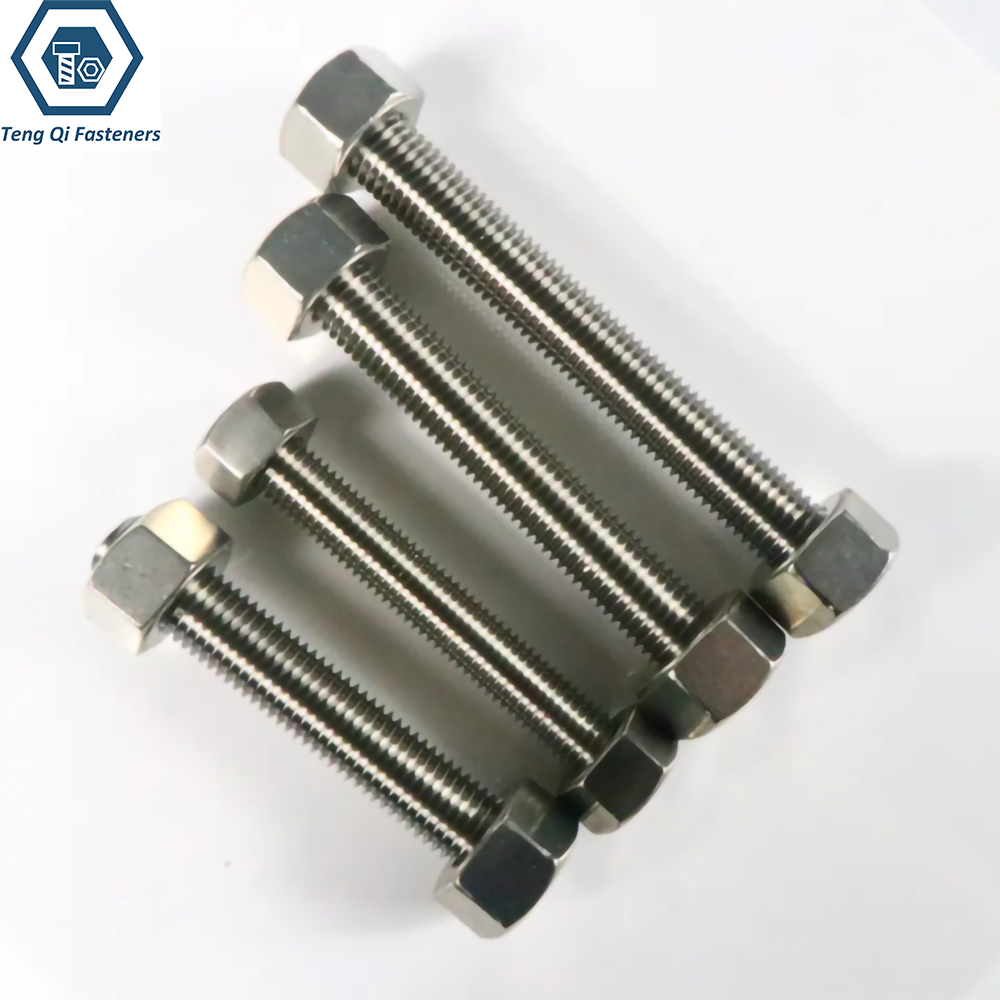
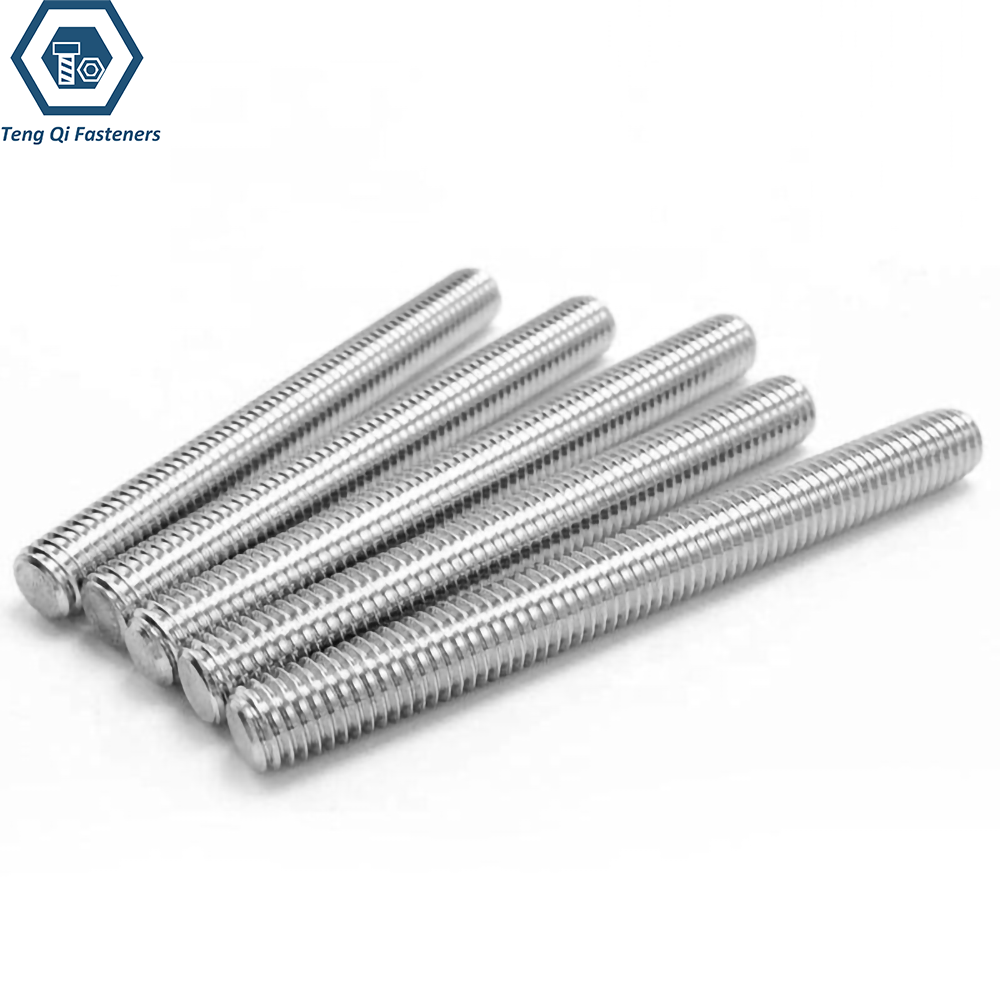
Specification of A193 B8 stud bolts:
A193 B8 stud bolts, made from stainless steel grade 304, find applications in various industries due to their corrosion resistance and mechanical properties. Here are some common applications:
| Product name | ASTM A193 B8 Stud Bolts |
|---|---|
| Diameter | 1/4″ – 4″ |
| Dimension Standard | ASME B18.31.2 |
| Thread | UNC/UNF/8UN |
| Material | Stainless steel, AISI 304 |
| Compatible nuts/washers | A194 GR.8 heavy hex nuts |
| Manufacturing Process | wire drawing, thread rolling, heat treatment, surface treatment |
| Surface treatment | Black Oxide Coating/Zinc Plating (Electroplating)/Hot-Dip Galvanizing/Mechanical Galvanizing/Dacromet Coating/Painting or Powder Coating |
| Application Industry | Piping Systems/Pressure Vessels/Pressure Vessels/Oil and Gas Industry/Power Generation/Chemical Processing |
It’s important to note that A193 B8 stud bolts are not suitable for all applications. Depending on the specific requirements of a project, other grades of stud bolts may be more appropriate.
Chemical Composition:
| Elements | Range | Allowed Variation, % |
|---|---|---|
| Carbon, max | 0.08 % | + 0.01 |
| Manganese, max | 2.00 % | + 0.04 |
| Phosphorus, max | 0.045 % | + 0.010 |
| Sulfur, max | 0.030 % | + 0.005 |
| Silicon, max | 1.00 % | + 0.05 |
| Chromium | 18.0 - 20.0% | +/- 0.20 |
| Nickel | 8.0 - 11.0% | +/- 0.15 |
| Molybdenum | +/- 0.10 |
Mechanical and physical properties:
| Mechanical Requirements, Inch Products | |||||||
|---|---|---|---|---|---|---|---|
| Class | Diameter | Tensile Strength, min, ksi | Yield Strength, min, ksi | Elongation in 4D min, % | Reduction of Area, min, % | Hardness, max | |
| B8 Class1 | All Diameters | 75 | 30 | 30 | 50 | 223 HBW | 96 HRB |
| B8 Class2 | Up to 3/4 | 125 | 100 | 12 | 35 | 321 max | 35 HRC max |
| 7/8 - 1 | 115 | 80 | 15 | 35 | |||
| 1-1/8 - 1-1/4 | 105 | 65 | 20 | 35 | |||
| 1-3/8 - 1-1/2 | 100 | 50 | 28 | 45 | |||
Quality control of A193 B8 Stud bolts:
| Inspect Item | Detail |
|---|---|
| Dimensional Inspection | Critical dimensions such as bolt diameter, head width, head height, bolt length and thread length are checked using calibrated measuring equipment. Inspection is carried out according to the applicable dimensional standard or customer drawings to ensure consistent fit and interchangeability. |
| Thread Inspection | External threads are inspected using calibrated GO and NO-GO thread gauges to verify thread profile, pitch and dimensional conformity. Additional measurements can be performed when tighter thread tolerances or specific customer requirements apply. |
| Mechanical Testing | Mechanical properties are verified according to the specified material and strength grade. Depending on the applicable standard, testing may include tensile strength, yield strength, hardness and other required mechanical tests, with test results documented in the relevant inspection or material reports. |
| Surface & Coating Inspection | Bolt surfaces are inspected for appearance, defects, coating uniformity and other specified requirements. For coated fasteners, coating thickness and adhesion or other applicable coating characteristics can be checked according to the specified surface treatment standard. |
| Final Inspection & Testing | Before shipment, finished hex bolts undergo final inspection to confirm dimensions, thread quality, mechanical requirements, surface condition, marking and packaging. Inspection records and test reports can be provided according to the order specification and customer requirements. |