
ASTM F912 Alloy Steel Socket Set Screws
ASTM F912 specifies the technical requirements and test methods for quenched and tempered alloy steel socket set screws. Beyond material selection and hardness, the standard addresses torque performance, torsional strength, decarburization, and surface discontinuities to help verify product quality and consistency. Understanding these requirements is important when selecting set screws for machinery assemblies, particularly where reliable contact pressure and resistance to installation-related failure are essential.
Product Types:
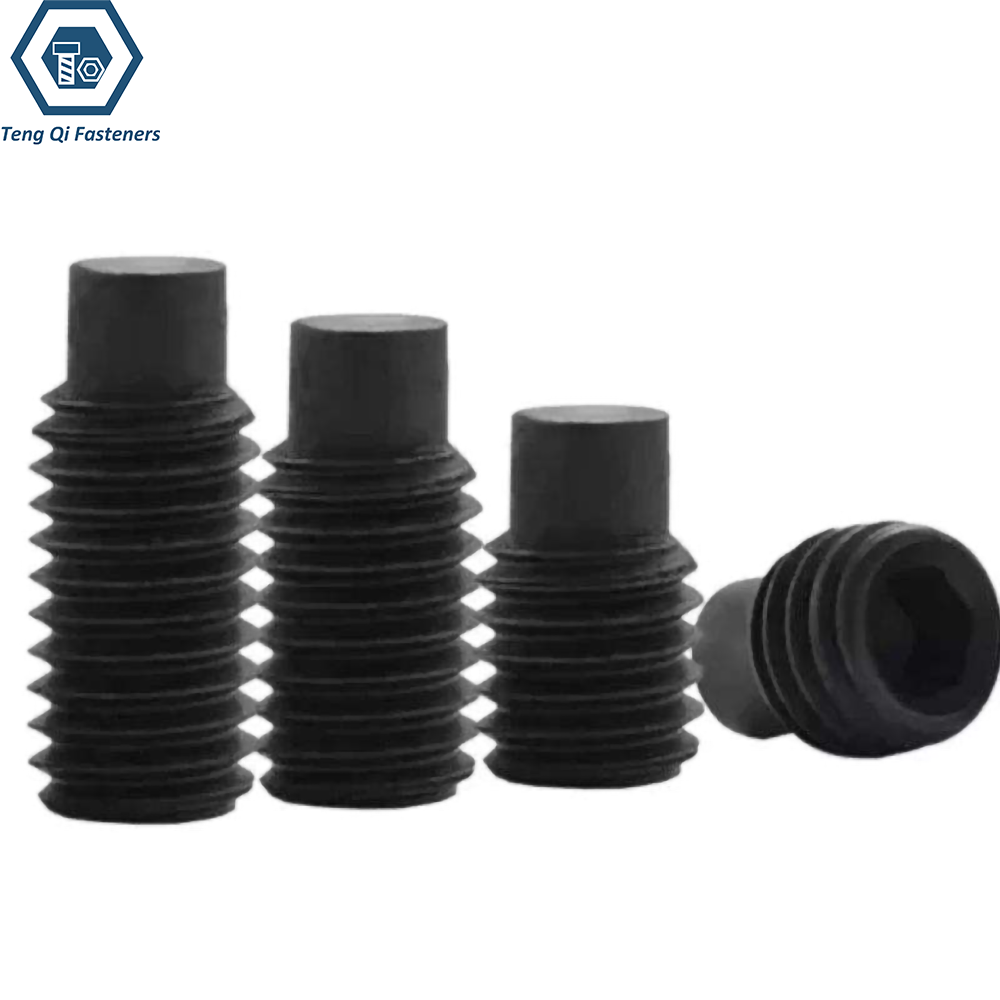
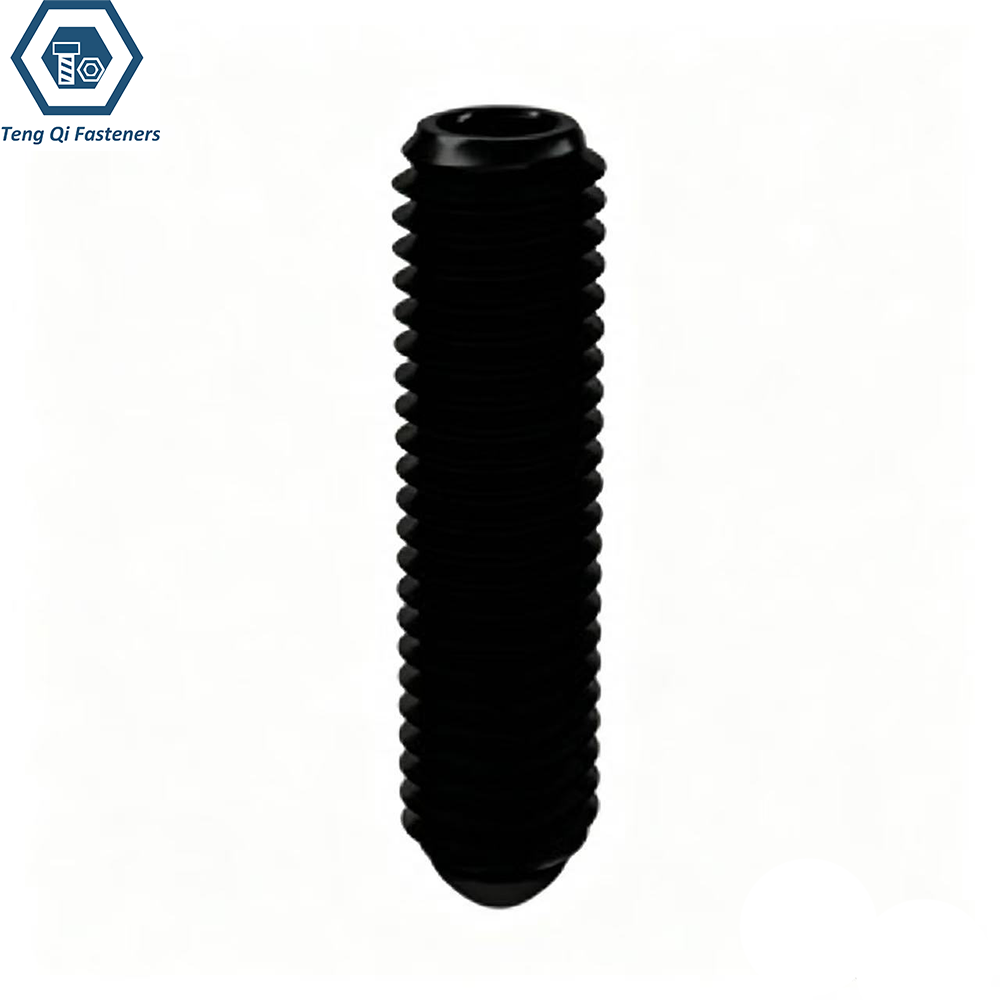
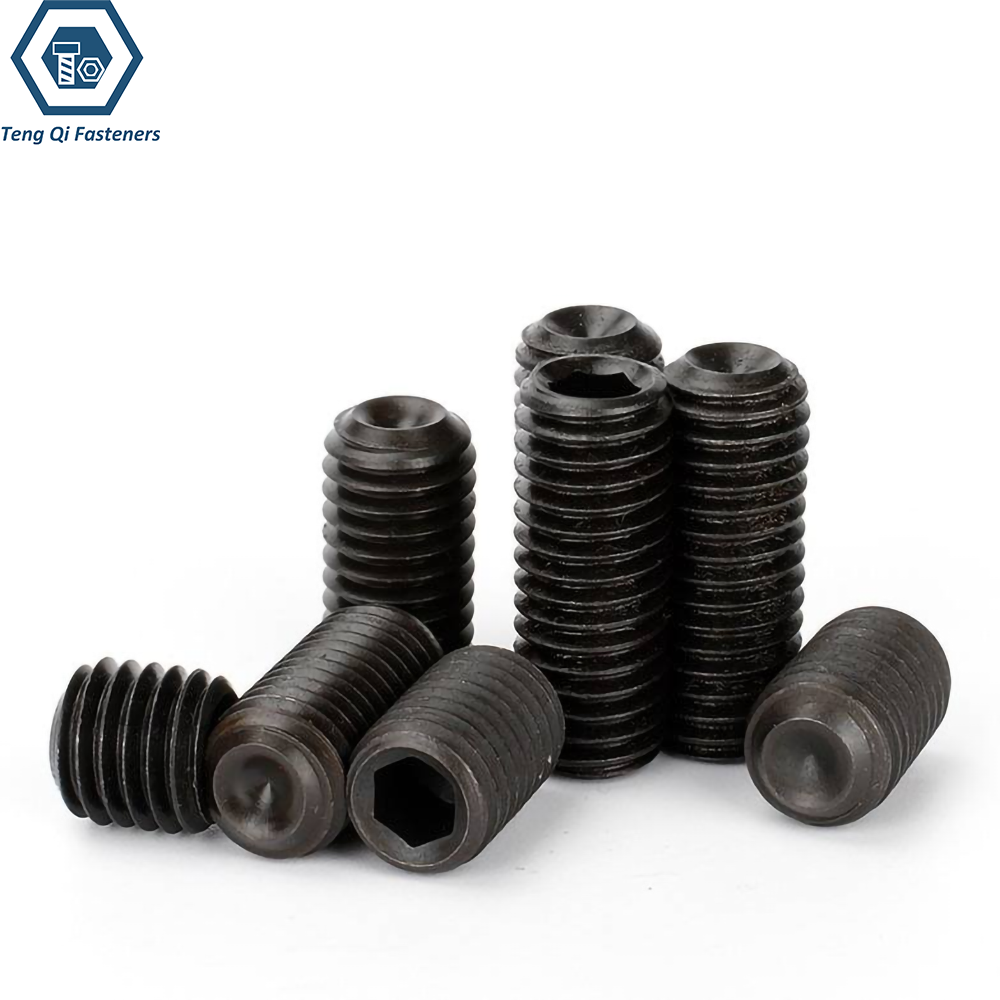
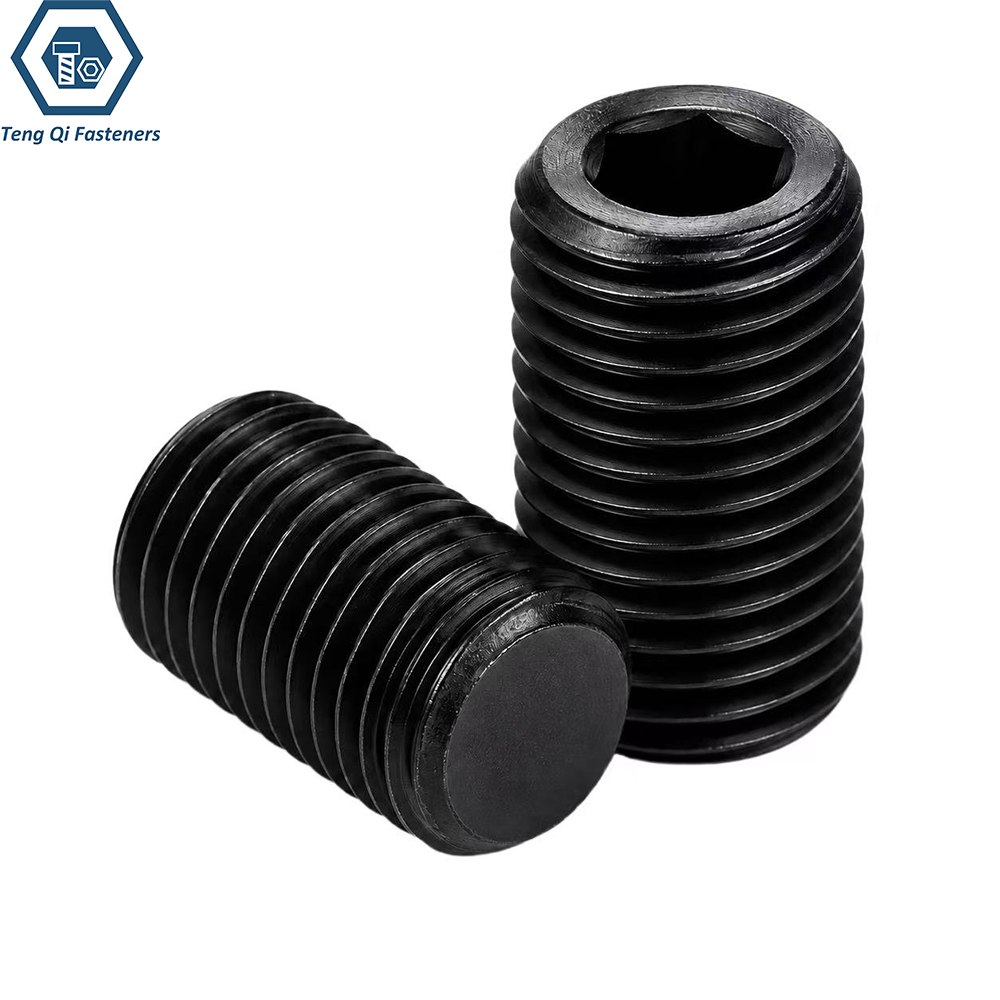
ASTM F912 applies to quenched and tempered alloy steel socket set screws in accordance with its specified material and mechanical requirements. Various point styles are available under ASME B18.3, including cup point, flat point, cone point, oval point, and half dog point set screws. While ASME B18.3 provides dimensional specifications for these product types, ASTM F912 establishes the applicable material and performance requirements for alloy steel screws. The correct combination of dimensional and material standards should be confirmed according to the required screw configuration and application.
Material Chemical Composition:
ASTM F912 specifies the chemical composition requirements for alloy steel socket set screws to ensure suitable material characteristics for quenching and tempering. Carbon and alloying elements contribute to the development of the required hardness and mechanical properties, while phosphorus and sulfur are controlled to meet the specified material quality requirements. The chemical composition limits for heat analysis and product analysis are provided in the table below.
| Elements | Heat Analysis | Product Analysis |
|---|---|---|
| Carbon | 0.3-0.48 | 0.28-0.5 |
| Phosphorus(max) | 0.035 | 0.04 |
| Sulfur(max) | 0.04 | 0.045 |
Hardness:
ASTM F912 specifies a hardness range of 45–53 HRC for the covered alloy steel socket set screws. Hardness verification helps confirm that the heat-treated product meets the specified requirement. However, hardness alone does not establish full compliance with the standard; other applicable mechanical tests and quality requirements must also be considered.
Torsional Strength:
ASTM F912 specifies minimum test torque requirements for alloy steel socket set screws to evaluate their resistance to torsional failure during installation. The required test torque varies according to nominal screw size, while the minimum screw length subject to testing depends on the point configuration. The table below summarizes the applicable torque requirements and minimum test lengths to help customers verify product compliance.
| Nominal Size | Cup and Flat Points | Cone and Oval Points | Half Dog Points | Test Torque in.-lb, min | |
|---|---|---|---|---|---|
| 0 | 0.060 | 0.109 | 0.125 | 0.109 | 1.1 |
| 1 | 0.073 | 0.125 | 0.141 | 0.125 | 2.1 |
| 2 | 0.086 | 0.125 | 0.141 | 0.141 | 2.1 |
| 3 | 0.099 | 0.141 | 0.156 | 0.156 | 6.0 |
| 4 | 0.112 | 0.141 | 0.172 | 0.156 | 6.0 |
| 5 | 0.125 | 0.156 | 0.188 | 0.172 | 11 |
| 6 | 0.138 | 0.172 | 0.203 | 0.188 | 11 |
| 8 | 0.164 | 0.188 | 0.219 | 0.203 | 23 |
| 10 | 0.190 | 0.188 | 0.250 | 0.234 | 40 |
| 1/4 | 0.250 | 0.250 | 0.312 | 0.297 | 94 |
| 5/16 | 0.312 | 0.312 | 0.391 | 0.359 | 183 |
| 3/8 | 0.375 | 0.375 | 0.438 | 0.438 | 317 |
| 7/16 | 0.437 | 0.438 | 0.547 | 0.484 | 502 |
| 1/2 | 0.500 | 0.500 | 0.609 | 0.547 | 750 |
| 5/8 | 0.625 | 0.625 | 0.766 | 0.672 | 1460 |
| 3/4 | 0.750 | 0.750 | 0.906 | 0.797 | 2520 |
| 7/8 | 0.875 | 0.875 | 1.125 | 0.984 | 5750 |
| 1 | 1.000 | 1.000 | 1.266 | 1.125 | 8000 |
| 1 1/8 | 1.125 | 1.125 | 1.391 | 1.188 | 8000 |
| 1 1/4 | 1.250 | 1.250 | 1.500 | 1.312 | 11000 |
| 1 3/8 | 1.375 | 1.375 | 1.656 | 1.438 | 11000 |
| 1 1/2 | 1.500 | 1.500 | 1.797 | 1.562 | 18100 |
| 1 3/4 | 1.750 | 1.750 | 2.219 | 1.953 | 38000 |
| 2 | 2.000 | 2.000 | 2.391 | 2.078 | 38000 |